
Aging-in-Place Renovations: Planning a Forever Home
How to plan practical, safe home changes so you can stay in your Oakville house longer.
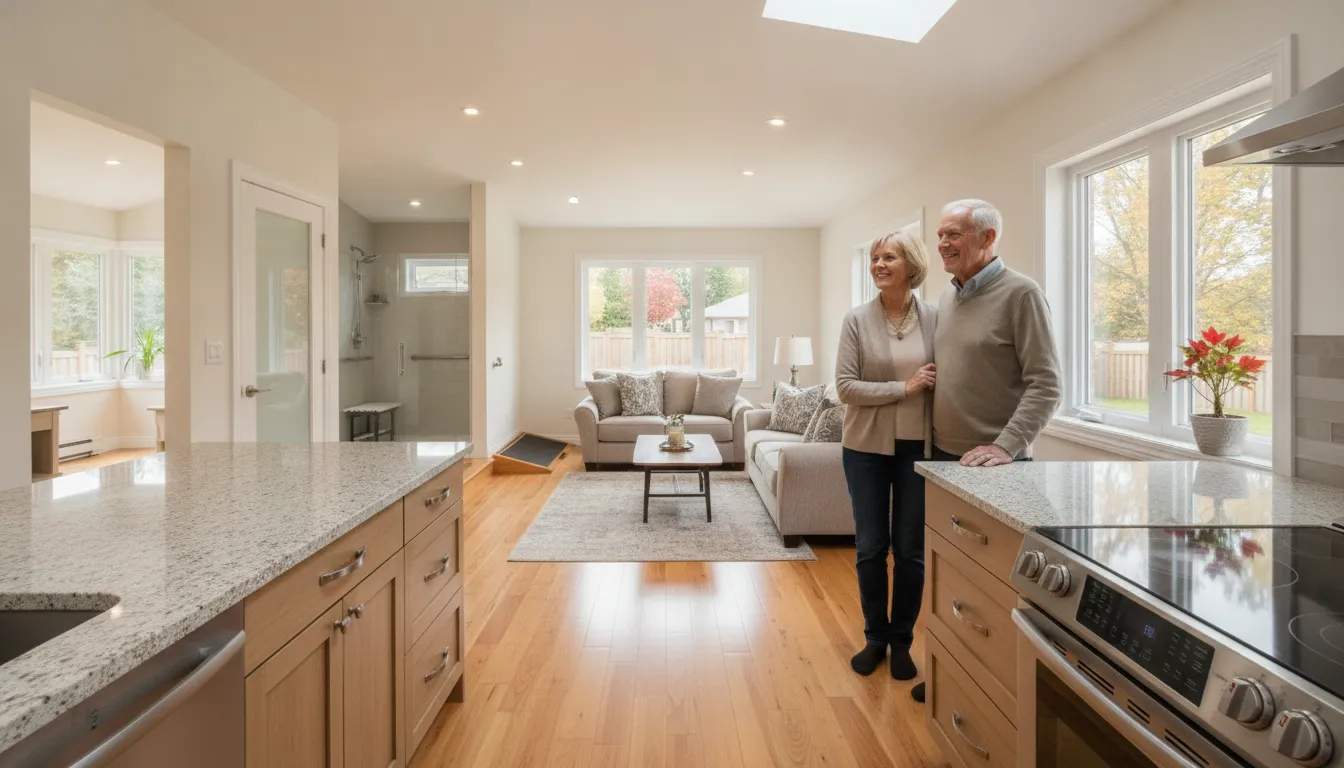
What does ‘aging in place’ renovation planning involve?
Aging-in-place renovation planning means assessing mobility, safety, and daily routines, then prioritizing changes—entrances, bathrooms, flooring, lighting, and emergency features—so the home remains comfortable and usable as needs change.
Core definition
Aging-in-place renovations are improvements focused on safety, access, and independence rather than aesthetics alone. They include structural or finish changes—zero-step entries, widened doors, slip-resistant flooring—that help people of all ages move safely and perform daily activities with less assistance.
Scope and scales
Projects can be small (bath grab bars, lever handles, better lighting) or large (main-floor master suite, elevator lift, accessible bathrooms). Good planning balances immediate fixes that reduce risk with longer-term investments that maintain resale value and adaptability.
Local considerations in Oakville
Oakville homeowners should factor in the local climate (freeze-thaw cycles, snow removal needs) and typical Ontario building permit expectations. Confirm permit requirements with Halton Region or Oakville’s building department, since municipal rules and timelines vary.
Step-by-Step: Aging-in-Place Renovations: Planning a Forever Home
Follow these practical steps to turn an idea into a safe, durable renovation that suits changing needs.
- 1
1. Start with a needs assessment
Walk through daily routines with the person who will live in the house—entry, bathroom use, kitchen tasks, stairs, and bedrooms. Note mobility limits, vision or hearing concerns, and where assistance is already required.
- 2
2. Prioritize safety and accessibility upgrades
Rank changes by risk reduction and frequency of use: entrances and primary bathroom first, then kitchen work zones and lighting. Decide which items are immediate fixes (handrails, non-slip mats) and which are long-term investments (main-floor bedroom, stair lift).
- 3
3. Engage professionals and check rules
Contact a certified contractor familiar with accessibility work and consult Oakville’s building department for permit needs. For structural changes, involve a designer or structural engineer early to avoid rework and to ensure code compliance.
- 4
4. Create a phased budget and timeline
Map work into phases that match cash flow and disruption tolerance: bite-sized safety upgrades first, larger renovations later. Include contingency (typically 10–20% for renovations) and schedule major work for milder months to avoid delays from Ontario’s winter weather.
- 5
5. Select materials and systems for durability
Choose low-maintenance, slip-resistant flooring, lever handles, curbless showers, and LED lighting with clear colour rendering. For mechanical systems, prefer accessible controls and consider backup power options for lifts or critical alarms.
- 6
6. Execute, review, and adapt
Supervise key milestones, test the installed features with the end user, and be prepared to adjust. Aging-in-place is iterative: a successful plan includes room to add features later as needs evolve.
Mistakes to Avoid
Common missteps raise costs or leave homeowners with features they won’t use. Avoid one-size-fits-all solutions, weak contractor vetting, and treating accessibility as an afterthought.
Assuming one solution fits all
A universal grab bar or ramp won’t meet every person’s needs—height, reach, strength and gait vary. Base decisions on the specific resident’s abilities and try temporary solutions (hand-held railings, portable ramps) before committing to big structural changes.
Skipping permits and proper inspections
Not getting required permits can delay resale and create safety liabilities. In Oakville and across Halton Region, structural work, plumbing reconfigurations, and some electrical changes commonly need permits—always verify with the local building office.
Choosing the cheapest contractor
Low bids can mean cut corners or inexperienced crews. Look for contractors with accessibility experience, references from similar projects, WSIB coverage, clear scopes of work and written warranties to reduce the chance of costly rework.
Overlooking winter and maintenance needs
Materials and details that work well in summer can fail in Ontario winters—outdoor ramps need anti-ice measures and drainable entries, and heated floors or insulated thresholds may be necessary. Factor ongoing maintenance when choosing products.
What Affects Your Outcome
Several practical factors determine cost, timeline, and effectiveness.
Scope and complexity
Simple changes like lever handles are quick; reconfiguring a main floor for a bedroom or installing an elevator is extensive and requires structural and mechanical work.
Local permitting and inspection timelines
Oakville and Halton Region permit offices have specific documentation needs; approval times vary by season and application completeness, which affects scheduling.
Contractor experience and trade coordination
Contractors who regularly do accessible renovations coordinate carpentry, plumbing, electrical and tile work efficiently—poor coordination adds days and cost.
Home age and existing structure
Older Oakville houses may hide issues—rot, outdated wiring, or non-compliant joists—that require remediation and increase cost; newer homes often present fewer surprises.
Material choices and warranties
Specifying durable, warranty-backed products (non-slip tiles, stainless fixtures, proven lift manufacturers) reduces long-term maintenance and replacement frequency.
Season and climate
Winter work in the America/Toronto timezone brings risks of scheduling delays and added costs for temporary protection; plan major exterior or foundation work for warmer months.
Frequently Asked Questions
Do I need a permit for an accessible bathroom or ramp in Oakville?
Often yes—structural changes, plumbing relocation, and most exterior ramps typically require permits in Oakville and Halton Region. Always check with Oakville’s building department before work starts because requirements and documentation vary.
What are the most cost-effective upgrades for safety?
Low-cost, high-impact upgrades include improved lighting, lever-style door handles, raised toilet seats or comfort-height toilets, grab bars, and non-slip flooring. These changes reduce fall risk quickly and can often be completed in a day or two.
How do I choose a contractor for aging-in-place work?
Look for contractors with experience on accessibility projects, clear references, proof of insurance and WSIB, and a written scope and warranty. Ask for examples of similar work in Oakville or nearby Burlington and Mississauga and visit completed projects when possible.
Will aging-in-place changes hurt resale value?
Thoughtfully designed accessibility upgrades can increase marketability by broadening buyer appeal; reversible changes and neutral finishes preserve resale value. Keep receipts and permits to show future buyers the work was completed professionally.
How much should I budget?
Small safety upgrades may be a few hundred to a few thousand dollars, while major renovations (main-floor master, full accessible bathroom, lifts) can range significantly depending on scope. Get multiple quotes and include contingency for hidden conditions and permit fees.
Can I phase renovations to spread cost?
Yes—divide work into safety-first items, comfort upgrades, then larger structural projects. Phasing helps manage cash flow and lets you test which changes make the most difference before doing expensive remodels.
Free on-site aging-in-place assessment for Oakville homes
Schedule a no-cost inspection to identify priority safety upgrades and a phased plan tailored to your needs.
Get a Free Quote