
Home Additions in the GTA: Costs, Permits and Possibilities
What to expect for costs, permits and practical decisions around adding space in Oakville and nearby communities.
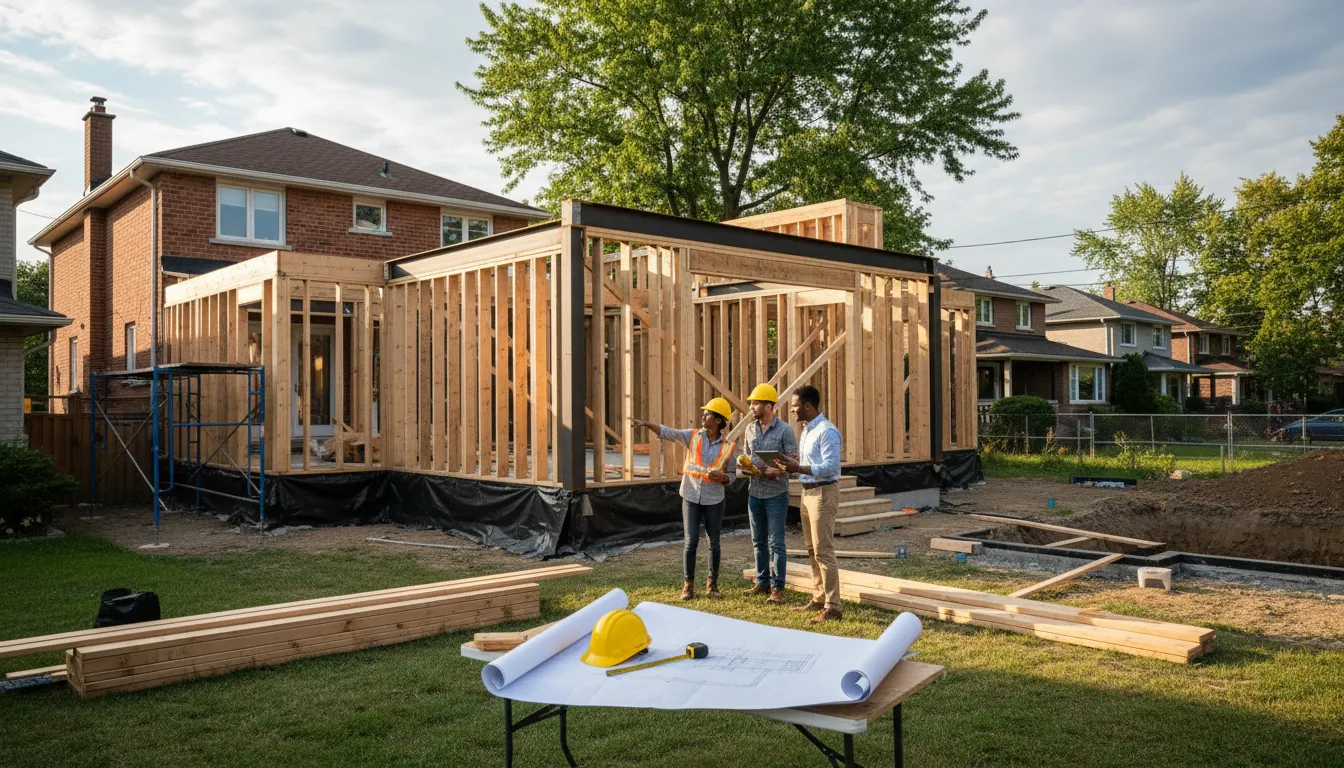
What does a homeowner in the GTA need to know about home additions?
A home addition in the GTA changes your house’s footprint, requires municipal permits in most cases, and typically costs more than interior renovations because of foundations, structural work and municipal inspections—plan for variable timelines and regional rules.
Types of additions
Additions range from single-room bump-outs and second-storey expansions to full home extensions and attached garages. Bump-outs are generally the least expensive and fastest, while second-storey builds involve more structural reinforcement, stair reconfiguration and longer timelines.
Why permits matter in Ontario
Most additions trigger building permits and inspections in Ontario because they change structural, electrical, plumbing or fire-safety elements. Permit approval protects resale value and insurance coverage; municipality checks address code compliance, energy performance and site setbacks.
Cost drivers you’ll face
Major cost components are foundation work, structural framing, exterior finishing, HVAC and rough-ins for plumbing/electric. Labour availability, material choice, site access and whether you need to remove or regrade topsoil for drainage all push costs up or down.
Regional context: Oakville and the GTA
If you live in Oakville (Halton Region), nearby Burlington and Mississauga often follow similar permit practices but details differ by local office. Oakville’s municipal building department and the Region of Halton handle approvals and inspections—verify local rules and timelines early.
Step-by-Step: Home Additions in the GTA: Costs, Permits and Possibilities
A clear project sequence will save time and money. The following steps reflect common practice for Ontario additions; confirm local requirements with Oakville’s building department.
- 1
1. Define scope and budget
Decide whether you want a simple bump-out, a full rear addition, or a second-storey. Set a realistic budget range—including a contingency of 10–20%—and consider phasing if cost or disruption is a concern.
- 2
2. Site review and feasibility
Have a contractor or designer visit to check site access, lot setbacks, grading and existing services. In Oakville and Halton Region, lot coverage and zoning rules can limit size; an early feasibility check prevents wasted design work.
- 3
3. Design and drawings
Work with an architect or designer to produce permit-ready drawings: site plan, floor plans, elevations and structural details. Accurate drawings speed permit review and reduce the chance of revisions from the municipality.
- 4
4. Apply for permits and approvals
Submit drawings to Oakville’s building department (and Region of Halton if required) for review; this often includes building, plumbing and trades permits. Allow extra time—weeks to a few months—because municipal review times vary with application complexity.
- 5
5. Contractor selection and pre-construction planning
Obtain written, itemized estimates from licensed contractors and check references. Agree on a construction schedule, payment milestones and who is responsible for site protection, tree preservation and municipal inspector coordination.
- 6
6. Construction, inspections and closeout
Construction follows roughly: demolition/site prep → foundation → framing → rough-ins → insulation/drywall → finishes. Municipal inspections occur at prescribed stages; final occupancy/approval completes the process and protects future resale and insurance clarity.
Mistakes to Avoid
Home additions are rewarding but can become expensive or delayed if you skip steps. Below are common mistakes Oakville-area homeowners make and practical ways to avoid them.
Skipping or underestimating permits
Building without required permits can lead to stop-work orders, forced removal of work or trouble selling the house later. Always confirm with the Town of Oakville building department which permits you need and get written approvals before construction begins.
Choosing solely on lowest bid
A very low quote can hide substandard materials, unlicensed trades, or omitted scope items that surface as change orders. Compare detailed scope sheets, check contractor licensing and references, and consider phased payments tied to inspection milestones.
Ignoring site drainage and foundation details
Poor attention to foundation and grading causes long-term problems like basement leaks or frost heave in our colder Canada climate. Insist on proper drainage plans, perimeter drainage where needed, and a foundation design suited to local soil and frost-depth conditions.
Not planning for temporary living needs and disruptions
Construction affects utilities, noise levels, and access—kids and pets need consideration. Plan for temporary kitchen or bathroom access, and set clear expectations in your contract about working hours, dust control and cleanup routines.
What Affects Your Outcome
These key factors change cost, time and approval risk for your addition.
Scope and complexity
Simple single-room additions are faster and cheaper; adding a second storey or moving load-bearing walls requires structural engineering and adds significant time and cost.
Site and foundation conditions
Soil type, slope, existing basement configuration and drainage needs can increase foundation costs or require remediation before work starts.
Material and finish choices
High-end finishes, specialty windows and custom millwork raise the bill more than structural elements. Standardized materials keep costs predictable.
Municipal review and permit timelines
Oakville and nearby municipalities may have different review workloads; applications with incomplete drawings or variance requests add weeks to the schedule.
Contractor availability and labour market
Labour availability in the GTA affects schedule and pricing—busy seasons can push start dates out. Lock in timelines in the contract and keep communication open about the supply chain.
Weather and seasonal factors
Ontario winters affect foundation work and exterior schedules; planning to pour concrete in spring/summer or using winter construction techniques avoids frost-related delays.
Frequently Asked Questions
How much should I budget for a basic bump-out addition in the GTA?
Budgeting for a bump-out depends on size and finish level. As a planning exercise, many homeowners allow a mid-range allowance that covers foundation, framing, windows and mid-level finishes—always include a contingency and get local estimates from Oakville contractors for accuracy.
Will I need a building permit for a small addition on my Oakville home?
Most additions that alter structure, footprint, or services require a permit in Oakville and across Ontario. Confirm specifics with the Town of Oakville’s building department because exceptions can exist; get written confirmation rather than assuming.
How long does the permit process usually take in Oakville?
Permit review times vary with application complexity and municipal workload; simple applications may be processed in a few weeks, while complex projects or variance requests can take months. Submit complete drawings and pre-apply enquiries to reduce delays.
Do I need an engineer or architect for an addition?
If your addition affects structural elements, foundations or rooflines, a structural engineer is usually required to stamp drawings. An architect or qualified designer is helpful for layout, code compliance and energy-efficiency considerations; check what documentation your permit office expects.
How will an addition affect my home insurance?
Insurers generally need to be informed when you add living space because the replacement-value and liability exposure change. Contact your insurer before work begins to understand coverage changes and any temporary requirements—policies vary, so verify details directly.
Can I live in the house while work is underway?
Many homeowners live in their homes during additions, but this depends on scope and personal tolerance for disruption. For major work—foundation excavation, whole-floor additions, or extended demolition—planning temporary living arrangements or staging is wise.
Schedule a free on-site addition assessment in Oakville
Get a local contractor’s review of feasibility, likely permit needs and a ballpark estimate for your addition.
Get a Free Quote