
Renovation Permits in Ontario: What Needs One and What Doesn't
Learn which projects need a permit in Ontario and how to handle the process in Oakville and Halton County.
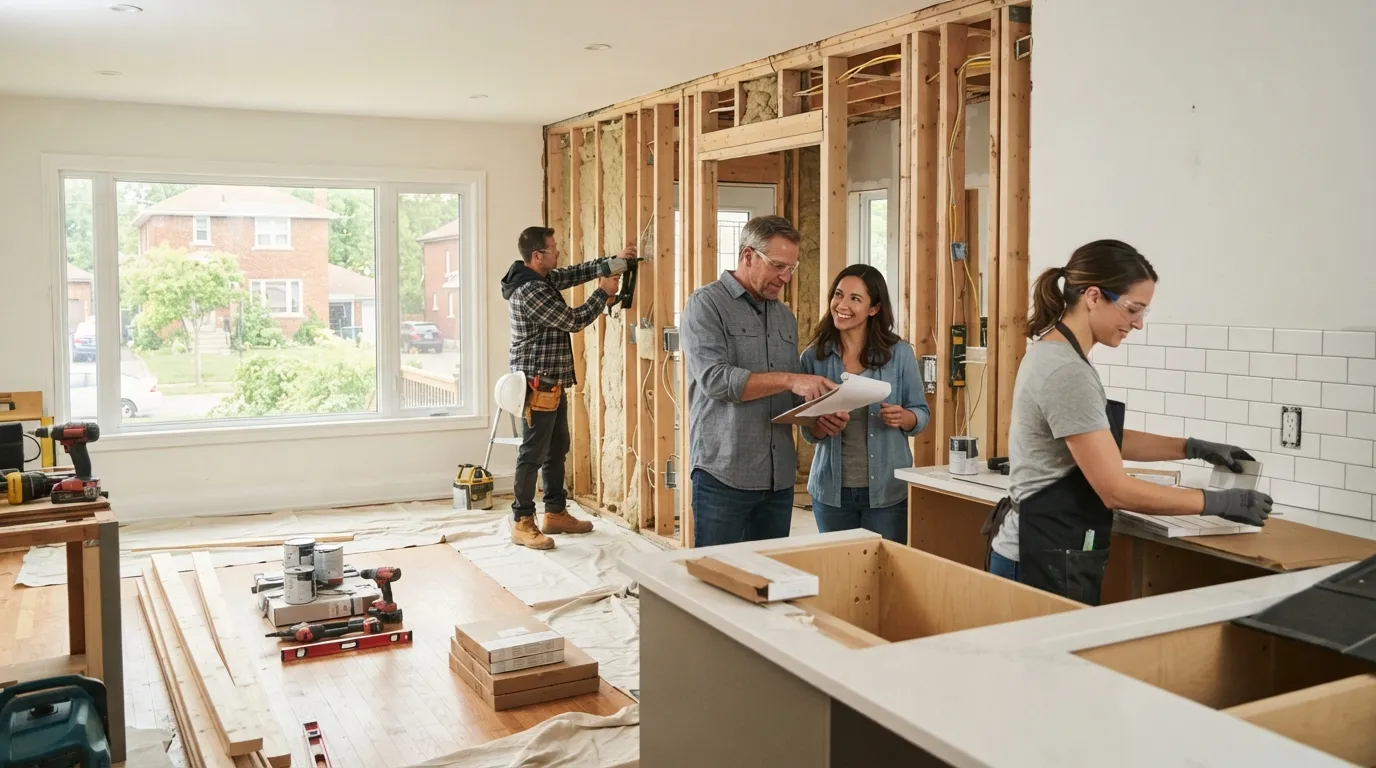
Do I need a permit for my renovation in Ontario?
Most structural, mechanical, plumbing and significant electrical changes require a permit in Ontario; cosmetic work, like painting and surface refinishing, commonly does not — always confirm with your local building department in Oakville.
What a permit covers
A building permit covers changes to structure, occupancy, fire safety, and services (electrical, plumbing, HVAC). Permits ensure work meets the Ontario Building Code and local bylaws, and they trigger inspections at defined stages to verify safety and compliance.
Common projects that typically need permits
Examples include additions, basement suites, deck construction over a certain size, major window and door structural changes, new or relocated HVAC, substantial electrical upgrades, and most plumbing reconfigurations. In Oakville and Halton County, municipal thresholds and submission requirements may vary, so check with Oakville’s Building Services.
Work that often does not require a permit
Minor cosmetic work—painting, finish carpentry, replacing countertops, flooring or cabinets—usually won't need a permit. Small electrical or plumbing repairs that don't change capacity, layout or fixtures also frequently fall outside permit requirements, but replacing a panel, moving a gas appliance, or installing a new bathroom often does.
Step-by-Step: Renovation Permits in Ontario: What Needs One and What Doesn't
Follow these practical steps to determine and obtain the permits needed for a residential renovation in Oakville or nearby Halton municipalities.
- 1
1. Define the scope of work
Write a clear list of changes you plan: walls to remove, structural beams, new bathrooms, gas or electrical work, decks or porches, basement suites, or re-roofs. Being specific saves time at the counter and helps you get accurate permit advice from the municipal office or your contractor.
- 2
2. Check local rules and thresholds
Contact Oakville Building Services or review their online permit guides to learn size limits, setbacks and exceptions—deck height and size, secondary suite rules, and tree protection can all affect whether a permit is needed. Local zoning or heritage overlays in parts of Oakville may add conditions.
- 3
3. Gather documents and drawings
Most permit applications require site plans, floor plans, elevations and simple structural details; for electrical, plumbing or HVAC you’ll need diagrams and equipment specs. If structural changes are involved, an engineer’s letter or stamped drawings may be required.
- 4
4. Submit the application and fees
Complete the municipal application form, attach documents, and pay the fee. Fee schedules vary by project type; Oakville and other Halton municipalities publish their fee tables online and may charge separate fees for plumbing, HVAC and electrical permits.
- 5
5. Prepare for inspections
Municipal inspectors will request inspections at key stages—footings, framing, plumbing rough-in, insulation, and final. Schedule inspections early, leave the site accessible, and correct any deficiencies promptly; passing inspections protects future resale and insurance claims.
- 6
6. Close the permit
Once final inspections pass, the municipality issues a final occupancy or completion notice. Keep the permit documents and inspection reports with your home records; they are important for future sale, insurance and property tax assessments.
Mistakes to Avoid
Skipping a permit or misunderstanding municipal requirements often creates delays, costly rework, and problems with resale or insurance. These common missteps and practical ways to avoid them can save both time and money.
Assuming cosmetic == no permit
A project that seems cosmetic can hide regulated work—for example, replacing a bathtub with a tiled shower may change drain layout or venting and trigger plumbing permits. Always review the full scope; if the task changes plumbing, electrical load, or structure, plan for a permit.
Using contractors who work ‘under the table’
Hiring someone to do permit-required work without pulling permits can leave you liable for unsafe work and costly municipal orders. Choose licensed trades who either pull permits themselves or work with a contractor who does, and ask to see permit numbers and inspection receipts.
Not obtaining proper drawings or engineering review
Removing load-bearing walls, altering foundations or adding a second-storey often needs an engineer's stamp; DIY sketches aren’t sufficient. Investing in correct drawings up front prevents failed inspections and structural problems later.
Ignoring local bylaws and heritage rules
Oakville has neighbourhoods with tree protection, floodplain restrictions or heritage guidelines that affect what you can build. Early contact with the municipal office avoids surprise requirements, such as tree protection plans or heritage approvals that add time and cost.
What Affects Your Outcome
Several practical factors determine permit complexity, timeline and cost.
Project scope and complexity
Larger structural changes, new suites or additions increase plan detail, review time, and inspection stages compared with minor finishes.
Quality and completeness of documentation
Clear drawings, engineering letters and equipment specs speed approvals; incomplete submissions cause review delays and extra fees.
Local municipal requirements
Oakville and neighbouring Burlington or Milton may have different zoning, tree, or heritage requirements that change permit needs and timelines.
Contractor experience and credentials
A contractor familiar with Oakville permits, inspection scheduling, and common local conditions reduces mistakes and accelerates completion.
Season and site conditions
In Oakville’s climate, winter concrete work, frost considerations, and heavy rain seasons can delay inspections and construction; plan timelines around seasonal restrictions where possible.
Insurance and mortgage considerations
Bank or insurer requirements for compliant work may force retroactive permits or remedial work if renovations were done without permits—keeping records helps avoid disputes.
Frequently Asked Questions
Does finishing my basement in Oakville always require a permit?
Most basement finishes that change layout, add bedrooms, install a bathroom, or create a secondary suite require permits in Ontario and inspections for egress, fire separation and ventilation. Cosmetic finishing like new flooring or paint generally does not, but confirm specifics with Oakville Building Services because requirements vary by scope.
Do I need a permit to replace my roof or windows?
Replacing shingles or windows like-for-like typically doesn't require a building permit, but changing roof structure, roofline, or window sizes that affect openings or fire ratings does. Also check whether energy efficiency or historical district rules impose additional requirements in your Oakville neighbourhood.
Can my contractor pull the permits for me?
Yes—many contractors apply for and manage permits on behalf of homeowners, and licensed trades often submit electrical, plumbing or HVAC permits. Make sure the contractor provides copies of the permit and inspection records and confirm they are licensed and insured.
What happens if I don’t get a required permit?
Municipalities can order work to stop, require removal or remediation of non-compliant construction, and issue fines. Unpermitted work may also cause issues with insurance claims and can complicate resale; it’s usually cheaper to resolve permits before or during work than after.
How long does the permit process take in Oakville?
Review times vary by project complexity and municipal workload—simple permits may be issued in days or a few weeks, while larger projects with engineering reviews can take several weeks to a few months. Contact Oakville Building Services for current timelines and consider pre-application consultations for complex jobs.
Do renovations affect my insurance or property taxes?
Major renovations that increase living area or change layout can affect insured value and property assessment; you should notify your insurer and review coverage limits before starting. For tax implications, check with the Municipal Property Assessment Corporation (MPAC) and consult local authorities, as practices vary.
Free on-site permit review and advice
We’ll look at your project, explain likely permit needs for Oakville and Halton County, and suggest next steps—no pressure, just guidance.
Get a Free Quote